Subject Combinations – At MG College, the curriculum is carefully designed to provide students with a balance of theoretical knowledge and practical exposure, ensuring they are well-prepared for future careers and higher academic pursuits. Each department follows a structured approach to curriculum planning, taking into account the latest educational reforms, industry needs, and student-centric outcomes. The department-wise structure allows flexibility while maintaining academic rigor, making it easier for learners to focus on specialized areas of interest. Subject combinations are thoughtfully curated so that students can explore interdisciplinary learning, helping them to expand their horizons beyond core subjects. Additionally, the credit system adopted by the college brings transparency and accountability to the evaluation process, enabling students to track their academic progress effectively. Such an integrated framework not only boosts academic performance but also supports career readiness, aligning with guidelines provided by higher education authorities like the University Grants Commission (UGC) and the National Education Policy (NEP) in India.

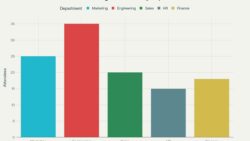
Curriculum Structure Across Different Departments
The curriculum at MG College is designed to suit the unique requirements of Arts, Science, Commerce, and Education streams. Each department develops its academic framework to include foundation courses, core subjects, electives, and skill-based learning modules. For example, the Science department integrates laboratory experiments and research-based projects to give students hands-on experience, while the Arts department emphasizes analytical writing, critical thinking, and creative expression. The Commerce department balances financial theory with practical applications like accounting software training and case studies, ensuring students understand both the academic and applied aspects of the subject. Similarly, the Education department focuses on teaching methodologies, pedagogy, and internship programs that prepare aspiring teachers to meet real classroom challenges. By offering a department-wise structure, the college ensures that every student gets a tailored education that reflects their chosen discipline while promoting interdisciplinary collaboration, which is highly valued in the modern knowledge economy (OECD).

Understanding Subject Combinations for Holistic Learning
One of the strengths of MG College lies in the flexibility it provides students through well-curated subject combinations. In the Arts stream, learners may combine subjects like English Literature, Political Science, and History, enabling them to develop both linguistic and socio-political perspectives. Science students have the option of combining Physics, Chemistry, and Mathematics, or exploring emerging fields through combinations like Biotechnology, Environmental Science, and Zoology. Commerce students often benefit from combinations such as Economics, Accountancy, and Business Management, which prepare them for careers in finance, corporate management, or entrepreneurship. This variety not only enriches academic learning but also equips students with interdisciplinary skills demanded in today’s competitive environment. Such flexibility aligns with global educational standards where multidisciplinary learning is increasingly emphasized (British Council). Subject combinations at MG College are designed with the student’s career goals in mind, making the learning journey more engaging and outcome-oriented.
The Role of the Credit System in Academic Progress
The adoption of the credit-based system at MG College ensures a transparent and standardized evaluation process across all departments. Each subject or course carries a specific number of credits, which reflect the weightage of the academic effort required, including lectures, assignments, laboratory work, or project activities. This system empowers students to measure their academic workload and progress effectively, while also offering the flexibility to pace their learning according to individual capacity. A credit-based approach encourages active participation and continuous assessment rather than relying solely on final examinations. Moreover, it facilitates credit transfer between institutions, a feature especially beneficial for students seeking higher education abroad. Institutions like the All India Council for Technical Education (AICTE) emphasize the significance of credit systems in fostering transparency, comparability, and mobility in education. MG College’s credit framework thus serves as a bridge between local academic requirements and international standards.

Preparing Students for Careers and Global Opportunities
Beyond academics, the structured curriculum, subject combinations, and credit system at MG College are geared toward preparing students for meaningful careers and global opportunities. The academic framework ensures that students not only master core subjects but also acquire transferable skills such as communication, problem-solving, digital literacy, and teamwork. For instance, credit-linked projects in Science and Commerce help students gain practical exposure to industry-oriented tasks, while fieldwork in Arts and Education fosters community engagement and social awareness. The college’s focus on multidisciplinary education also makes its graduates more adaptable to diverse professional roles. With global trends increasingly valuing multi-skilled individuals, MG College aligns its teaching methodology with international practices to enhance employability and academic mobility. According to insights from UNESCO (UNESCO), such student-centered frameworks are critical for nurturing future-ready graduates. Thus, the college’s academic system goes beyond classroom learning, creating pathways for both local impact and international relevance.