
Discover a College – Discovering a college that truly nurtures learning, discipline, and student success can be a life-changing experience. Many institutions offer degrees, but few foster a culture that builds character, intellectual curiosity, and long-term achievement. The best colleges go beyond textbooks, creating an environment where discipline and personal growth are just as important as academic excellence. They implement structured mentorship, active learning pedagogy, and co-curricular engagement that shape well-rounded individuals. Institutions like these often focus on holistic development—nurturing not just knowledge but also critical thinking, emotional intelligence, and social responsibility. Whether through experiential learning, peer-led projects, or leadership programs, these colleges provide students the tools to thrive in both professional and personal spheres. The South African higher education sector has several such transformative institutions that prioritize a balance between education and ethical values, helping students realize their full potential. According to a report by the Department of Higher Education and Training, colleges that focus on discipline and mentorship produce better graduates in terms of employment and life skills.
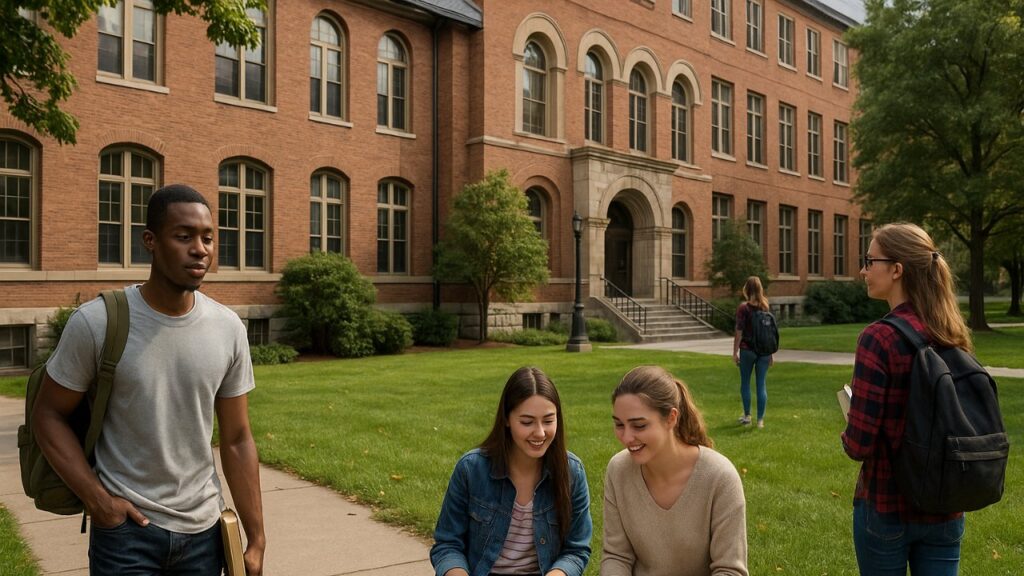

Commitment to Academic Excellence and Personal Growth
A college that takes academic performance seriously without compromising on character development stands out in today’s educational landscape. These institutions provide tailored academic programs backed by strong support systems such as academic advisors, career services, and mental wellness resources. Students are encouraged to participate in seminars, group discussions, and online forums that enhance both technical and soft skills. Such environments foster a growth mindset where students feel safe to challenge themselves and take intellectual risks. Moreover, the integration of community engagement initiatives helps students understand real-world problems and apply classroom learning in practical scenarios. For instance, programs supported by the Council on Higher Education emphasize curriculum quality and social responsiveness—qualities that define a nurturing institution. Ultimately, the emphasis is on molding leaders, not just graduates.
 Principal’s Message – Guiding Students Toward Knowledge, Confidence, and Social Responsibility
Structured Discipline that Builds Responsible Futures
Discipline in a learning environment doesn’t mean rigidity—it means consistency, accountability, and respect for others. Colleges that build these values into their daily structure cultivate students who are punctual, responsible, and prepared for the demands of the modern workplace. Timetables are adhered to, codes of conduct are enforced respectfully, and students are taught the importance of balancing freedom with responsibility. This level of structure prepares students for global standards of professionalism. Many South African institutions now follow the guidelines laid out by the Quality Council for Trades and Occupations (QCTO) to ensure that both academic and behavioral benchmarks are met. When a college embraces such a disciplined culture, it produces individuals who can manage time effectively, meet deadlines, and act ethically—all of which are vital to long-term success.

Creating a Culture of Mentorship and Peer Support
Beyond faculty instruction, what often sets a college apart is its mentorship culture. Colleges that implement peer mentoring, alumni guidance, and one-on-one faculty advisory systems enable students to find direction and motivation. First-year students benefit immensely from the guidance of senior peers who help them adjust academically and socially. Alumni networks also play a critical role in career readiness, offering internship referrals and mock interview opportunities. According to research from Universities South Africa (USAf), mentorship correlates directly with academic retention and improved emotional well-being among students. The spirit of “students helping students” creates a more inclusive, less competitive environment that fosters genuine success.

Building Career-Ready Graduates Through Practical Exposure
To truly support student success, colleges must provide platforms that translate theory into action. This includes internships, industry collaborations, student-run ventures, and hands-on workshops. Many top colleges now partner with businesses and NGOs to give students exposure to real-world challenges. Capstone projects, innovation labs, and startup incubation centers allow learners to apply their knowledge creatively. In fact, reports from the National Skills Authority suggest that such experiential learning significantly enhances job placement rates. Colleges that incorporate this model help students graduate not only with qualifications but also with confidence, adaptability, and job-ready skills—traits highly sought after by today’s employers.


